
In the latest development regarding Americans’ Challenges Health, Americans’ Challenges with Health Care Costs | KFF
Key Takeaways & Highlights
- Americans’ Challenges with Health Care Costs | KFFKey Background and Context The independent source for health policy research, polling, and news.
- It was originally published on December 14, 2021.
- For many years, KFF polling has found that the high cost of health care is a burden on U.S.
Key Background and Context
The independent source for health policy research, polling, and news.

How many people in America skip medical treatment due to healthcare costs? - USAFacts
Nov 14, 2026Topics Back Topics

Latest Developments and Impact Analysis
Affordable Care Act
Elections
Global Health Policy
Health Costs
Health Information and Trust
HIV/AIDS
Immigrant Health
LGBTQ
Medicaid
Medicare
Mental Health
Patient and Consumer Protections
Public Opinion
Private Insurance
Racial Equity and Health Policy
State Health Policy and Data
Uninsured
Women's Health Policy
FEATURED CONTENT
Health in the 2026 Midterms
Explore all Topics
Policy Research Back Policy Research KFF’s policy research provides facts and analysis on a wide range of policy issues and public programs.
Explore all Policy Research
Polling Back Polling KFF designs, conducts and analyzes original public opinion and survey research on Americans’ attitudes, knowledge, and experiences with the health care system to help amplify the public’s voice in major national debates.
View all Poll Findings
Health News Back Health News KFF Health News is a national newsroom that produces in-depth journalism about health issues and is one of the organization’s core operating programs.
Explore KFF Health News
Data & Features Back Data & Features
FROM THE CEO
From Drew Altman
Beyond the Data
FEATURES
Quick Insights
The Monitor
Health Policy 101
The Business of Health Podcast with Chip Kahn
The Health Wonk Shop
ACA Health Insurance Marketplace Calculator
Employer Health Benefits Survey
Medicaid Budget Survey
POLLING
KFF Health Tracking Poll
Tracking the Public’s Views on the ACA
Polling on Health Information and Trust
Women's Health Survey
FAQS
Health Insurance Marketplace and the ACA
Medicare Open Enrollment
TRACKERS
ACA Preventive Services Tracker
Medicaid Waiver Tracker
Medicaid Work Requirements Tracker
Global Health Budget Tracker
Global COVID-19 Tracker
Peterson-KFF Health System Tracker
DASHBOARDS
Abortion in the U.S.
Key Data on Health Care by Race and Ethnicity
DATABASES
State Health Facts
Custom State Reports
STATE FACT SHEETS
Medicaid Fact Sheets
Mental Health and Substance Use Fact Sheets
State Health Care Snapshots
STATE PROFILES
State Profiles of Dual-Eligible Individuals
State Profiles of Women’s Health
View all Features
For Media Back For Media
Media Contacts
Citations and Reprints
News Releases
Explore all Media Resources
About Back About
About Us
Our People
Our Work
Board of Trustees
Conference Centers
Events
Contact Us
Join Our Team
From CEO Drew Altman
President's Message
Our Standards & Practices
Beyond the Data Columns
View All
About KFF
Follow Us Subscribe
Search
Home Topics Health Costs
Americans’ Challenges with Health Care Costs
Published: Oct 23, 2026
Add KFF on Google
Editorial Note: This brief was updated on October 23, 2026, to include the latest KFF polling data. It was originally published on December 14, 2021.
For many years, KFF polling has found that the high cost of health care is a burden on U.S. families, and that health care costs factor into decisions about insurance coverage and care seeking. These costs also rank as the top financial worry for adults and their families. This data note summarizes recent KFF polling on the public’s experiences with health care costs. Main takeaways include:
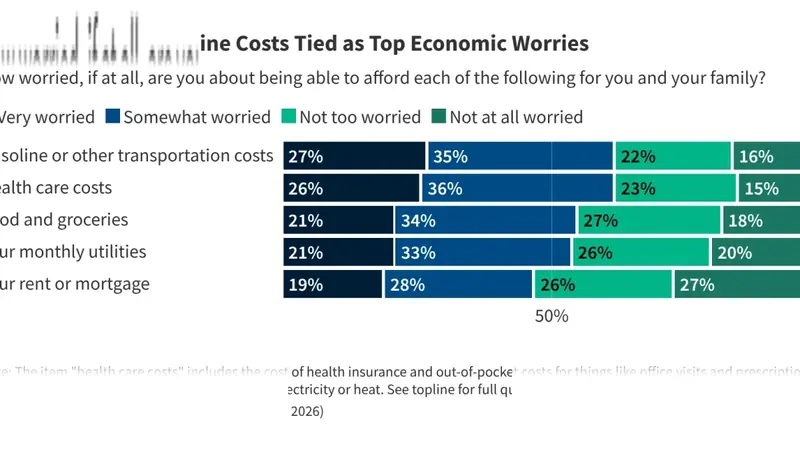
Health care costs are among the top of the list of people’s financial worries, with about a quarter (26%) saying they are “very” worried about affording health care costs for themselves and their families. This is similar to the share who say they are “very” worried about affording gasoline and transportation costs (27%) and followed by about one in five adults say they are “very” worried about affording other household costs, such as food and groceries (21%), their monthly utilities (21%), or their rent or mortgage (19%).
The cost of health care can lead some to put off needed care. About three in ten (28%) adults say in the past 12 months they have skipped or postponed getting health care they needed because of the cost. Uninsured adults under age 65 (62%), young adults under age 30 (40%), Hispanic adults (34%), adults with lower incomes (32%), and women (31%) are among the most likely to report that they put off needed care in the past year because of the cost.
Putting off needed health care can have health repercussions; about one in seven (15%) adults overall say their health got worse because they skipped or delayed needed care for any reason, including cost, rising to 27% among those with multiple health conditions.
Just under half of adults in the U.S. say it is difficult to afford health care costs and substantial shares struggle to pay medical bills, often with financial consequences. About one in five (22%) adults overall say they had problems paying or were unable to pay medical bills in the past 12 months, including one in seven (14%) who say they cut back on basic household expenses, like clothes or food in order to pay health care costs.
These experiences are especially common among younger adults, women, those with lower incomes, and the uninsured. In addition, LGBTQ+ adults and those with multiple health conditions face outsized problems paying medical bills.
The cost of prescription drugs prevents some people from filling prescriptions. About four in ten (43%) U.S. adults say they have not taken their medication as prescribed in the past year due to costs. This includes three in ten who say they have taken an over-the-counter drug instead of getting a prescription filled (31%), a quarter (27%) who have not filled a prescription, and one in five (19%) who have cut pills in half or skipped doses of medicine because of the cost.
Larger shares of lower-income, uninsured, women, Black, and Hispanic adults report taking these measures.
Health care debt is a burden for a large share of Americans. In 2022, about four in ten adults (41%) reported having debt due to medical or dental bills including debts owed to credit cards, collections agencies, family and friends, banks, and other lenders to pay for their health care costs, with disproportionate shares of Black and Hispanic adults, women, parents, those with low incomes, and uninsured adults saying they have health care debt.
Those who are covered by health insurance are not immune to the burden of health care costs. Large shares of adults with employer-sponsored insurance (ESI) and those with Marketplace coverage rate their insurance as “fair” or “poor” when it comes to their monthly premium and to out-of-pocket costs to see a doctor.
In addition, three in ten insured adults ages 18-64 say report skipping or postponing care because of the cost and about a quarter say they had problems paying medical bills in the past year.
Worries and Difficulty Affording Medical Costs
For most of 2026, health care costs have remained at or near the top of the list of people’s financial worries. Leading up to the 2026 midterm elections, about six in ten adults say they are “very” (26%) or “somewhat” worried (36%) about affording health care costs for themselves and their families, including the cost of health insurance and out-of-pocket costs for things like office visits and prescription drugs.
A similar share say they are “very” worried about affording gas and transportation costs (27%). About one in five adults say they are “very” worried about affording other household expenses, such as their monthly utilities (21%), food and groceries (21%), or their rent or mortgage (19%).
Notably, roughly eight in ten (82%) uninsured adults under age 65 say they are “very” or “somewhat” worried about affording the cost of health care, though a large share of insured adults under age 65 are also worried (63%). Health care costs are a top household worry across insurance types and across partisans. (Source: KFF Health Tracking Poll: October 2026)
Health Care and Gasoline Costs Tied as Top Economic Worries Stacked bar chart showing the public's levels of worry when it comes to affording living necessities. Health care tops the list of the public's economic anxieties. Shown among total adults.The item "health care costs" includes the cost of health insurance and out-of-pocket costs for things like office visits and prescription drugs.
The item "your monthly utilities" includes electricity or heat. See topline for full question wording.KFF Health Tracking Poll (September 16-21, 2026)
Echoing these worries, many U.S. adults find health care costs difficult to afford. While lower income and uninsured adults are the most likely to report this, those with health insurance and those with higher incomes are not immune to the high cost of medical care. Just under half of U.S. adults say that it is very or somewhat difficult for them to afford their health care costs (44%).
Uninsured adults under age 65 are much more likely to say affording health care costs is difficult (82%) compared to those with health insurance coverage (42%). Additionally, a slight majority of Hispanic adults (55%) and half of Black adults (49%) report difficulty affording health care costs compared to about four in ten White adults (39%).
Adults in households with annual incomes under $40,000 are more likely than adults in households with higher incomes to say it is difficult to afford their health care costs. (Source: KFF Health Tracking Poll: May 2025)
Nearly Half of Adults Say It Is Difficult To Afford Health Care Costs, Including Large Shares of the Uninsured, Black and Hispanic Adults, and Those With Lower Incomes Mirrored bar chart showing shares who say it is easy or difficult to afford their health care costs by total, insurance status, race/ethnicity, and household income.See topline for full question wording.KFF Health Tracking Poll (May 5-26, 2025)
The cost of care can also lead some adults to skip or delay seeking services. Roughly three in ten adults (28%) say that they have skipped or postponed getting needed health care in the past 12 months because of the cost. Women, younger adults, Hispanic adults, and those with lower incomes are more likely than their counterparts to report skipping or postponing care due to cost.
In addition, roughly six in ten (62%) uninsured adults say they have skipped or postponed getting the health care they needed due to cost. Having health insurance, however, does not offer full protection as three in ten adults ages 18 to 64 with insurance still report not getting health care they needed due to cost.
Six in Ten Uninsured Adults Say They Have Skipped or Postponed Getting Health Care They Needed in the Past 12 Months Due to Cost Single bar chart showing percent who say they have skipped or postponed getting needed health care in the past 12 months because of the cost by total, age, gender, race/ethnicity, household income, and insurance status.See topline for full question wording.KFF Survey of Health Access and Caregiving (May 4-26, 2026)
Skipping care for any reason, including cost, can have notable health impacts. Roughly one in seven (15%) adults report that their health got worse because they skipped or delayed getting care for any reason. Among adults under age 65, those who are uninsured are significantly more likely than those with health coverage to say that their health worsened due to skipped or postponed care (27% vs. 17%).
Four times as many adults under age 30 (24%) say their health got worse after skipping or postponing care as adults ages 65 and older (6%), most of whom have Medicare coverage. (Source: KFF Survey of Health Access and Caregiving)
Roughly One in Seven Report Their Health Got Worse After Skipping or Postponing Care Single bar chart showing the share who say their health got worse because they didn't get care or postponed their care by total, age, and insurance status.Asked of adults who said they did not get or postponed care, reported among total adults. See topline for full question wording.KFF Survey of Health Access and Caregiving (May 4-26, 2026)
Problems Paying Medical Bills
About one in five (22%) adults overall say they had problems paying or were unable to pay medical bills in the past 12 months, including bills for doctors, tests or labs, or medication. Larger shares of younger adults, women, Hispanic adults, Black adults, those with lower incomes, and adults under age 65 without health insurance report problems paying medical bills than their counterparts.
Problems paying bills can lead to important financial consequences, with one in seven (14%) adults saying they have had to cut back on household expenses like food, clothing, or other basic household items in order to pay for health care costs. This experience is more common among adults with lower incomes (20% of those with an income of less than $40,000 a year) and uninsured adults under age 65 (26%).
A Quarter of Adults Had Problems Paying Medical Bills, One in Seven Had To Cut Back on Household Expenses Percent who, in the past 12 months, say they:Cutting back on household expenses question was asked among those who said they had problems paying medical bills, reported among total. See topline for full question wording.KFF Survey of Health Access and Caregiving (May 4 – 26, 2026)
Skipping Care and Medical Bill Problems Among LGBTQ+ Adults and Those With Serious Health Conditions
KFF polling has found that some populations are more likely than others to report challenges with health care affordability. One such population is LGBTQ+ adults, who are on average younger and have lower incomes than their non-LGBTQ+ counterparts. More than four in ten (43%) LGBTQ+ adults report skipping or delaying care in the past year due to cost, compared to about a quarter (26%) of non-LGBTQ+ adults, according to the KFF Survey of Health Access and Caregiving.
Another three in ten LGBTQ+ adults report that they had problems paying or an inability to pay medical bills in the past year, including two in ten (19%) who report cutting back on basic household expenses to pay for health care costs. Trans adults are especially likely to report these challenges, with over half (56%) of trans adults saying they skipped or delayed care because of the cost.
Almost half (45%) of trans adults say their health got worse due to delayed or skipped care for any reason. (For a more detailed analysis, see Examining LGBTQ+ Adults’ Experiences with Health Care Costs and Access)
Significant Shares of LGBTQ+ Adults Have Missed Needed Care Because of Cost in the Past Year Bar chart showing share of adults ages 18-64 who say their health got worse because they skipped or delayed care. Reported among total adults ages 18-64, by number of active health conditions, and among adults treated for diabetes, asthma, emphysema or lung disease, cardiovascular disease, cancer, or a mental health condition.See topline for full question wording.KFF Survey of Health Access and Caregiving (May 4 – 26, 2026)
Those with multiple and complex health conditions also face disproportionate problems with medical bills and worsened health due to skipping care. About one-third (36%) of adults ages 18-64 with three or more health conditions report they did not get the health care they needed in the past year because of the cost and a quarter (27%) say their health got worse because they skipped or delayed care for any reason, including cost.
More than a third (36%) of those ages 18-64 with three or more conditions report problems paying medical bills in the past year, while around one in four (24%) say they have cut back on household expenses to pay for health care. (For a more detailed analysis, including the experiences of adults with conditions like cancer, mental health conditions, and diabetes, see: Health Care Access and Affordability for Adults with Multiple or Complex Health Conditions: A Snapshot of Patient Experiences)
About a Quarter of Adults Ages 18–64 With Multiple Conditions Say Their Health Got Worse Because They Skipped or Delayed Care Bar chart showing share of adults ages 18-64 who say their health got worse because they skipped or delayed care. Reported among total adults ages 18-64, by number of active health conditions, and among adults treated for diabetes, asthma, emphysema or lung disease, cardiovascular disease, cancer, or a mental health condition.Number of active health conditions based on treatment in the past year for the following list: allergies, arthritis, back pain, cancer, cardiovascular disease, diabetes, hypertension, high cholesterol, lung disease, mental health condition, migraines, obesity, sinusitis, sleep disorder, thyroid problems, Parkinson’s disease, kidney disease, substance use disorder.
Percentages in parentheses reflect the share of adults in each condition category or with each condition. See topline for full question wording.KFF Survey of Health Access and Caregiving (May 4 – 26, 2026)
Prescription Drug Costs
The high cost of prescription drugs also leads some people to cut back on their medications in various ways. About three in ten adults (31%) say in the past 12 months they have taken an over-the-counter drug instead of getting a prescription filled because of cost concerns, while about a quarter (27%) say they have not filled a prescription and about one in five (19%) say they have cut pills in half or skipped doses of medicine due to cost.
Overall, four in ten (43%) adults report taking at least one of these measures in the past year, continuing an upward trend from a third (33%) in 2025 and about three in ten (31%) in July 2023.
Larger shares of adults in households with lower and middle incomes report resorting to these cost-saving prescription medication solutions compared to those with higher incomes. About half of adults in households with annual incomes under $40,000 (52%) or between $40,000 and $90,000 (47%) say they have not taken their medication as prescribed due to the cost in the last year, compared to three in ten adults in households with incomes of $90,000 or more.
Uninsured adults under age 65 are more likely than their counterparts to also report not taking their medicine as prescribed due to costs (58% compared to 43% of insured adults under age 65). Additionally, half of women (49%) say they have taken any of these prescription medication measures compared to about a third (36%) of men.
Over half (55%) of Black adults say the same, compared to half (47%) of Hispanic adults and four in ten White adults. (Source: KFF Health Tracking Poll: March 2026)
About Four in Ten Adults Say, in the Past Year, They Didn’t Take Their Medicine As Prescribed Due to Costs Multiple split bars showing the percent who have taken steps to reduce the cost of care including taking an over-the-counter drug instead of getting a prescription filled, not filled a prescription for medicine, or cut pills in half or skipped doses of medicine.See topline for full question wording.KFF Health Tracking Poll (Feb. 24 - Mar. 2, 2026)
Health Insurance Cost Ratings
Health insurance provides some financial protection, but premiums and out-of-pocket costs can still present a financial burden for many individuals. Overall, most insured adults rate their health insurance as “excellent” or “good” when it comes to the amount they have to pay out-of-pocket for their prescriptions (61%), the amount they have to pay out-of-pocket to see a doctor (53%), and the amount they pay monthly for insurance (54%).
However, at least three in ten rate their insurance as “fair” or “poor” on each of these metrics, and affordability ratings vary depending on the type of coverage people have.
Adults who have pri




Comments 0
Leave a Comment
No comments yet. Be the first to share your thoughts!